What owners miss
You work in the business, not on it. From the inside, it’s hard to see the risks, gaps, and opportunities a buyer will spot in their first week.

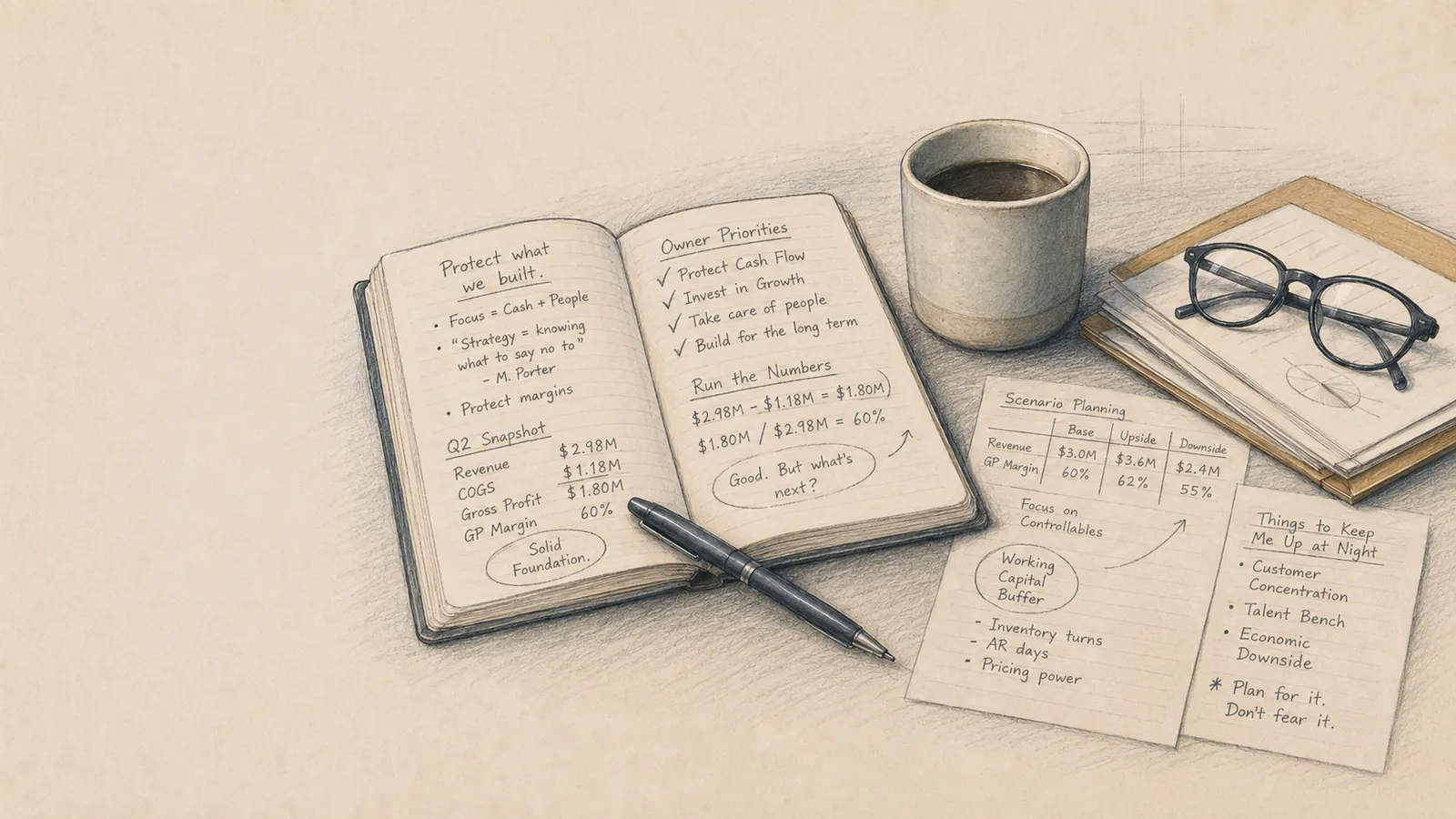
You gave this business years most people never see — the early mornings, the payroll you made when it was tight, the calls only you could take. The people who built it with you aren’t staff; they’re the reason it works.
Nobody builds that to watch it stall, get discounted, or land in hands that don’t understand it. What you built is specific to you — and so is what it takes to make it stand on its own.
Waiting is a strategy.
Just not a good one.
92%
of small-business exits in 2022 ended in closure — not a sale, not a handoff. The business just stopped.
30%
of investment-banker sale engagements end without a closed deal — the median failure rate even for businesses that reach the market.
If you don’t know where you are going, you’ll end up someplace else.
Exits aren’t won in the final 90 days. They’re earned in the decisions you make one, three, five years out.
You work in the business, not on it. From the inside, it’s hard to see the risks, gaps, and opportunities a buyer will spot in their first week.
Buyers don’t buy potential. They buy proven systems, clean numbers, and value that transfers without you in the building.

Life doesn’t wait for the perfect time, and neither do buyers. Most gaps can be closed — but closing them takes runway, and runway starts today.
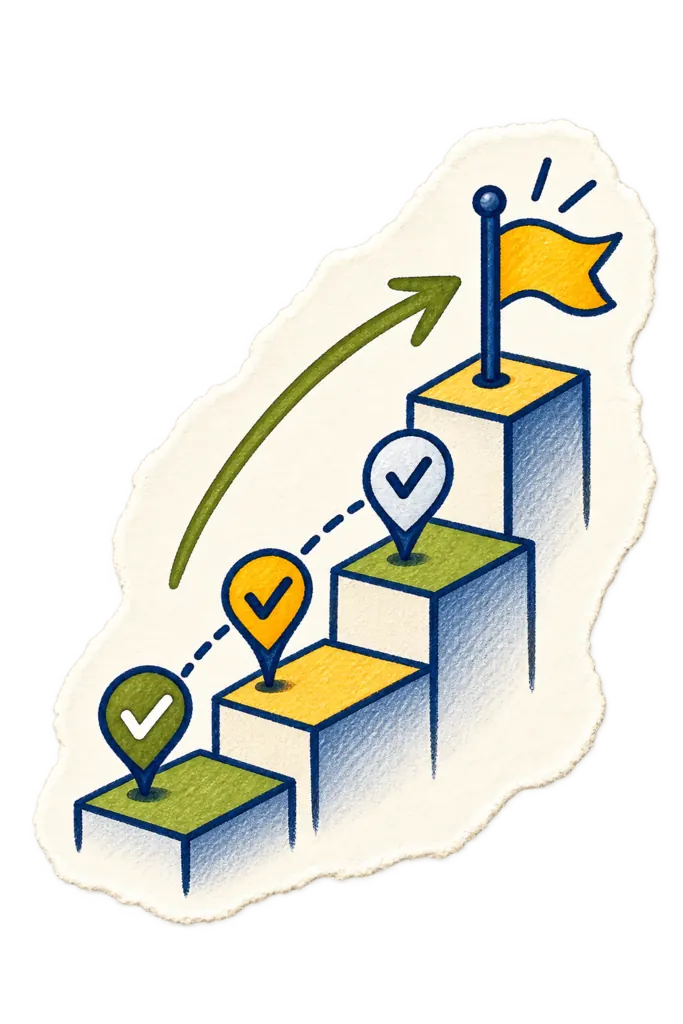
None of these numbers are predictions about your business. They’re the discounts and dead ends that show up, again and again, in businesses that waited. An unprepared exit puts your team’s future in someone else’s hands.
1–2 turns
of EBITDA — the discount buyers commonly apply when a business depends on its owner. A practitioner rule of thumb, not a published statistic.
Source: Common M&A practitioner heuristic
~60%
the average fall in sales after a founder's death among larger founder-led firms, in a registry study of nearly 1,500 businesses. Many smaller ones closed outright.
21–30%
of asking price — the most common gap between what sellers expect and what buyers will pay, on deals that failed to close.
27%
of owners 55 and older have no long-term plan for their business — or intend to simply shut down.
Delay pays a high price. Preparation compounds.
| Without a plan | With a plan |
|---|---|
| Reactive decisions | Strategic choices |
| Discounted value | Defended value |
| Buyer-driven process | Owner-led process |
| Deal risk at every step | Higher certainty of closing |
| Stress and uncertainty | Clarity and confidence |
| One offer | Multiple options |
Preparation puts you in control of the variables you can control.
Explore the 3 PillarsThe best time to fix your business was yesterday. The second best time is today.
The Exit Readiness Assessment is nine questions and a few honest minutes. No email required. Immediate results.